
Most remodeling stress comes from one root cause: decisions being made during construction instead of before it. A planning-first remodel flips that order — and it’s the single biggest reason a project stays on budget and on schedule. Here’s what it actually means.
The traditional way (and why it goes sideways)
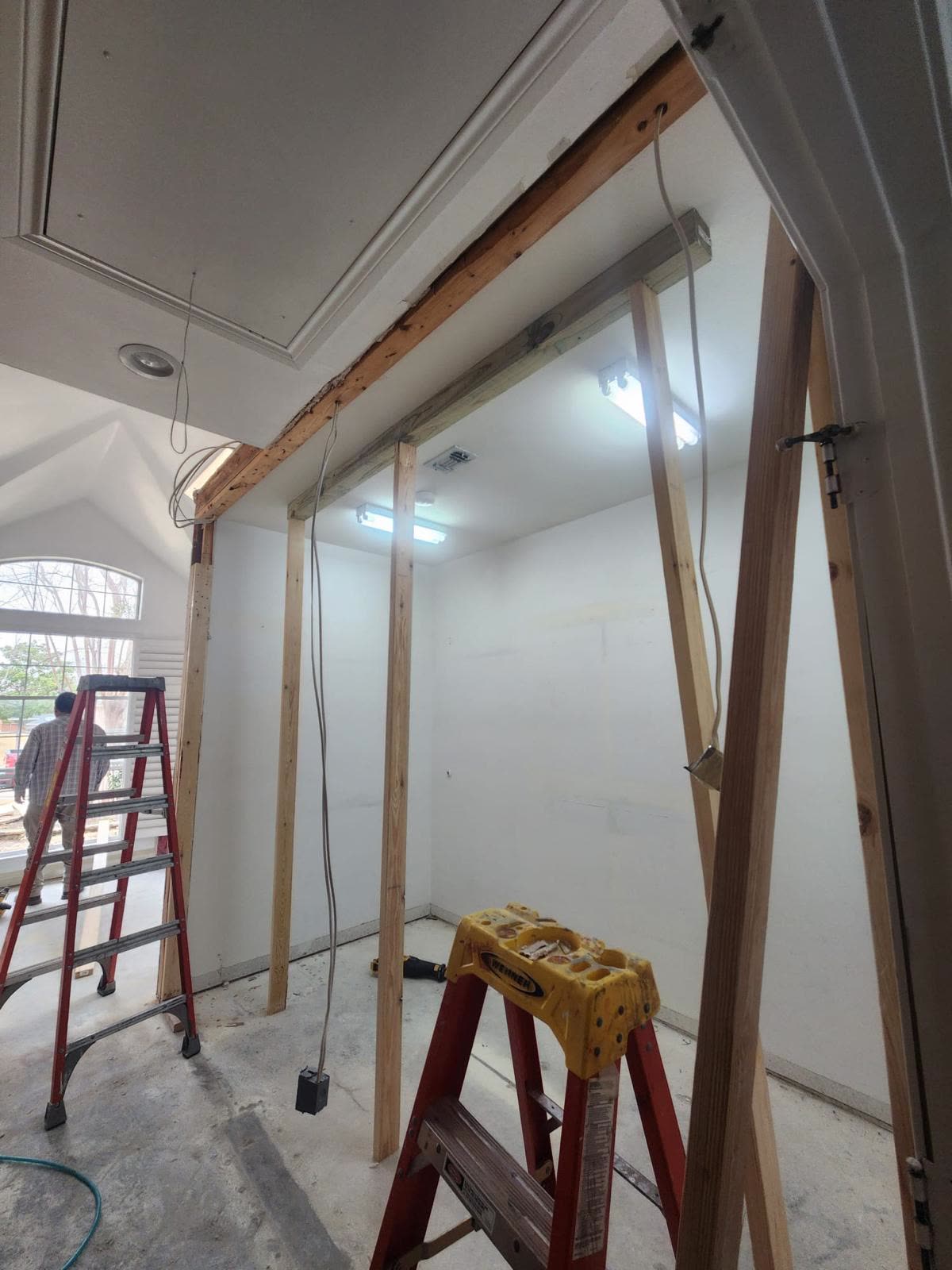
In a typical remodel, the crew starts and the details get sorted out as they go. Selections aren’t finalized, pricing is partly “allowances,” and the schedule is a hope. Then reality arrives: a backordered cabinet, a mid-project change, a surprise behind a wall. Each one triggers a change order, a delay, and a budget creep. None of it feels like anyone’s fault — but it was avoidable.
What planning-first means
A planning-first remodel front-loads every decision. Before construction begins, four things are locked:
- Scope — exactly what’s being done, in writing.
- Budget — confirmed line by line, not left to allowances.
- Schedule — built around real material lead times.
- Selections — cabinets, counters, tile, fixtures, and finishes, all chosen and ordered.
When those four are settled up front, construction becomes execution instead of improvisation.
Why it saves money
Change orders are expensive — in dollars and in time. By deciding everything before demolition, planning-first removes the conditions that create them. The budget you approve is the budget you pay, because there’s nothing left to renegotiate mid-project. (For the flip side, see why remodels go over budget.)
Our four-step process
This philosophy is the backbone of how we work: consultation, planning and design, pre-construction preparation, then build and final walkthrough. You can see the full breakdown on our process page.
The result is the thing homeowners remember most — not just a beautiful space, but a calm, predictable path to getting there.
Ready to start? Schedule a free consultation and we’ll plan your remodel before we build it.